Entry · Ref HK5NVD4C
Is your home's lock telling you it needs attention?
- Posted
- 2026-11-23
- Last amended
- 2026-11-23
- Account
- @thelocalkey
When a lock feels wrong, it probably is
Home locks live a hard life. They get pushed, pulled, rained on, frozen, and sometimes jammed with a key that has seen better days. Most people ignore a stiff key or a wobbly handle until the lock fails completely. That often means a call for help at an inconvenient hour. Catching the warning signs early can save you time and the stress of a lockout. Here is what to look for around your doors.
Key sticks or turns roughly
A lock that used to work smoothly should not suddenly feel gritty or tight. Dirt and old lubricant can build up inside the cylinder, but a lock that requires force to turn is often showing mechanical wear. If the key goes in easily but then sticks halfway, the pins or springs inside may be worn. Forcing it can break the key off in the lock. A locksmith can often rekey or replace the cylinder to restore smooth operation. If the problem is only in one lock while others work fine, the cylinder itself is probably the culprit.
Key is hard to insert or remove
This is a different problem from a stiff turn. If the key does not slide in easily, or if you have to jiggle it to get it out, the cylinder may be misaligned with the strike plate or the door frame. Over time, a house settles, or the door sags on its hinges. A misaligned lock puts extra strain on the latch and the key. Ignoring it can lead to a broken lock or a door that will not latch at all. Sometimes a simple adjustment to the strike plate fixes it. Other times the lock cylinder needs to be replaced or rekeyed. A professional can tell the difference without damaging the door.
Lock feels loose or wobbly
A deadbolt or handle should sit solidly against the door. If you can wiggle it with your hand, the screws holding it may be loose, or the lock body itself may have cracked. Loose locks are a security risk because they are easier to force open. Tightening the screws can help, but if the lock housing is damaged, replacement is the only reliable fix. Check the screws on the interior side of the door first. If they are tight and the lock still moves, the lock body is worn out.

Visible rust or corrosion
Exterior locks take the worst of the weather. Rain, snow, and road salt can cause a lock to corrode over time. A little surface rust on the faceplate is mostly cosmetic, but rust inside the cylinder will eventually stop the lock from working. Look for discolouration, pitting, or flaking metal around the keyhole. If the lock is difficult to turn and you see signs of rust, the internal components have likely corroded. A locksmith can assess whether the cylinder can be rekeyed after cleaning or if a new lock is needed. In coastal areas or places with heavy winter salt, locks may need replacement more often.
Key breaks off in the lock
This is the clearest sign that a lock needs attention. Keys break because the lock is binding, the key is worn, or both. If you have had to pull a broken key out of the same lock more than once, the lock is probably wearing unevenly. A professional can extract the broken piece and rekey the cylinder with new pins that match a fresh key. This is often cheaper than replacing the entire lock, and it gives you a key that works smoothly again. Do not try to glue a broken key or use pliers to twist it out; that can damage the cylinder beyond repair.
You have lost a key or moved into a new home
These are not signs of mechanical failure, but they are the most common reasons to rekey a home. If you have lost a key, you have no way of knowing who has it. The safe move is to have the locks rekeyed so old keys no longer work. The same applies when you move into a previously owned home. Previous owners, contractors, or neighbours may still have keys. Rekeying changes the internal pins so that your new key works and all old keys are useless. It costs less than replacing every lock and gives you full control over who can enter.
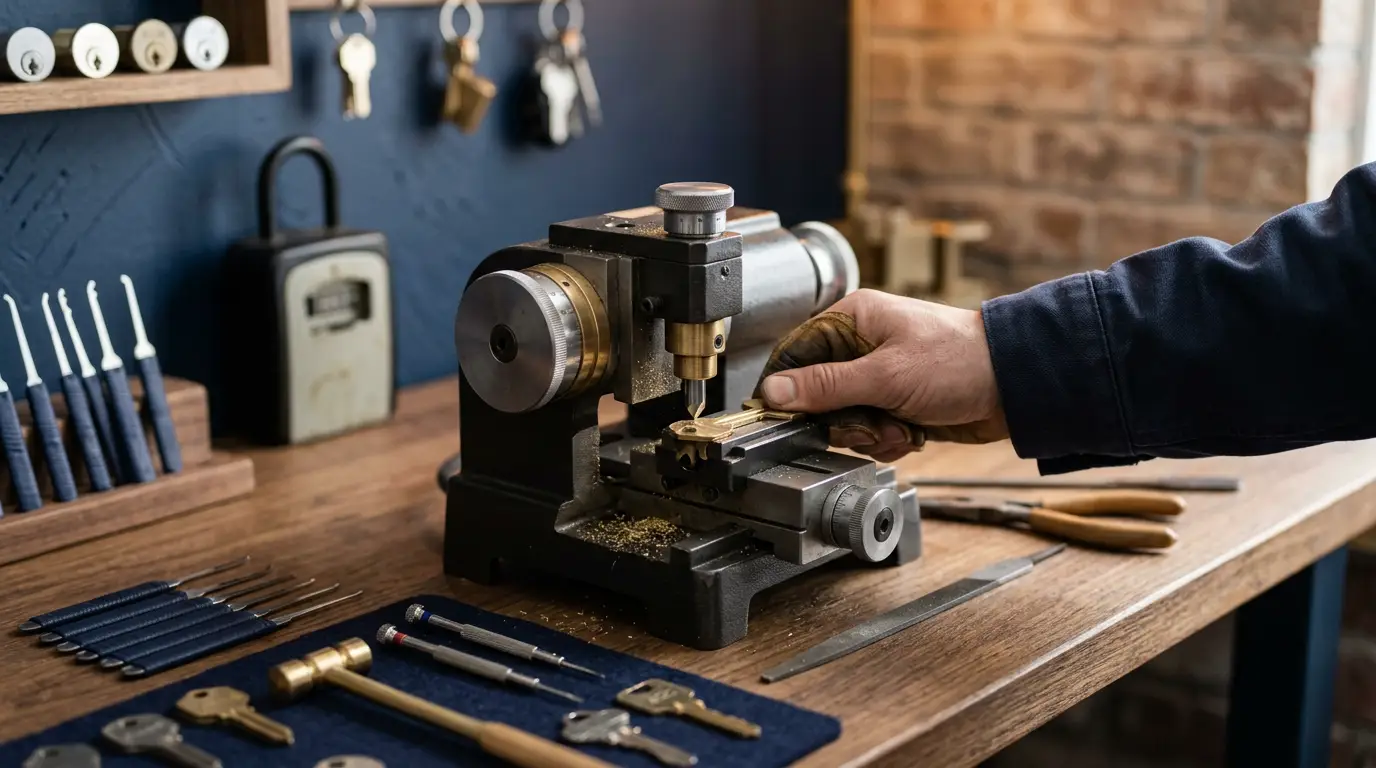
Home lock rekeying is a straightforward process that a qualified locksmith can do on site. It involves changing the pins inside the cylinder so the lock works with a new key. The lock hardware stays the same, so you keep the same handles and deadbolts. This is a good option when the locks are still in good shape but you want to be sure no one else has a key. It is also useful if you want all your locks to work with a single key.
Lock operates but the latch does not fully extend
Sometimes the key turns easily but the latch does not slide all the way into the strike plate. The door may bounce open in the wind or require a hard push to latch. This is often a sign that the strike plate is misaligned or the door frame has shifted. It can also mean the lock mechanism itself is failing internally. If the latch sticks partway, the lock will not secure the door properly. A locksmith can adjust the strike plate or replace the lock if needed. Do not assume a door that closes is locked; test it by trying to push it open from the outside without turning the knob.
Smart lock or keypad gives errors
Electronic locks have their own warning signs. If the keypad beeps but the lock does not move, the batteries may be low. If fresh batteries do not fix it, the motor or the internal gearing could be jammed. Dirt and moisture can also affect the sensor. Smart locks that rely on a Wi-Fi or Bluetooth connection may stop responding if the electronics overheat or the board fails. These locks often have a mechanical key override, but if that also feels rough, the whole unit may need replacement. A locksmith who works with electronic locks can diagnose the problem without damaging the door.
What to do when you spot a problem
Some minor issues, like a loose screw or a dry lock, can be fixed in minutes. But if the lock is worn, misaligned, or damaged, a professional should handle it. Attempting to take apart a modern deadbolt without experience can leave you with a door that will not close. A good locksmith will inspect the lock, the strike plate, and the door frame to find the real cause. For residents of the area, Locksmith Vaughan Ontario offers 24/7 service for lock repair, rekeying, and replacement. Whether you have a sticky cylinder or need to secure a new home, a qualified technician can get your locks working smoothly again.
If you notice any of these signs, do not wait until the lock fails completely. A lock that jams or breaks when you are coming home late at night is more than an inconvenience; it is a security risk. Addressing the problem early often means a simpler, less expensive fix. Rekeying a set of cylinders or replacing a worn deadbolt takes less than an hour and restores your peace of mind. Keep an eye on your locks the way you check your smoke alarms: a little attention now prevents a much bigger problem later.
For a reliable service visit, Locksmith Vaughan Ontario can help with everything from emergency lockouts to home lock rekeying and lock replacement. Their technicians carry the tools and parts to fix most issues on the spot. Whether you need a single lock repaired or your entire home rekeyed, getting it done promptly keeps your home secure.